How a commercial supply team planned for growth
November 9, 20267 min read
Client Profile
- Stage
- Commercial
- Portfolio
- One product, three indications, five SKUs per market
- Markets
- The United States and international markets
- Network
- Two drug product manufacturers, two US packagers and two EU packagers
- SCmple platform
- Supply Planning and Scenario Planning
At a glance
- Three indications, new markets and a wider manufacturing network outgrew a spreadsheet-based planning approach that relied heavily on knowledge held by a few key people.
- The team defined its requirements before looking at any platform and, after weighing large planning suites and the planning functions in ERP systems, chose SCmple for fit and partnership.
- Leadership approved the investment readily because it had followed the reasoning from the start.
- Every requirement the team set out was met, including location-based planning, campaigns, shelf-life extensions, batch visibility and scenario planning.
On this page
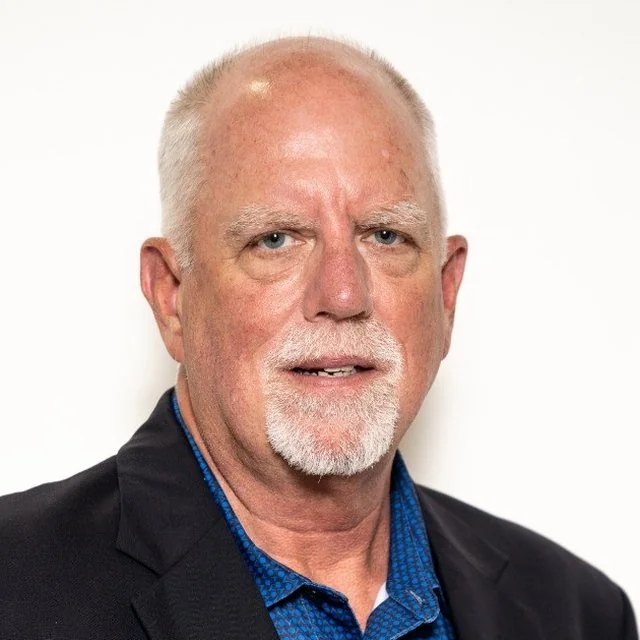
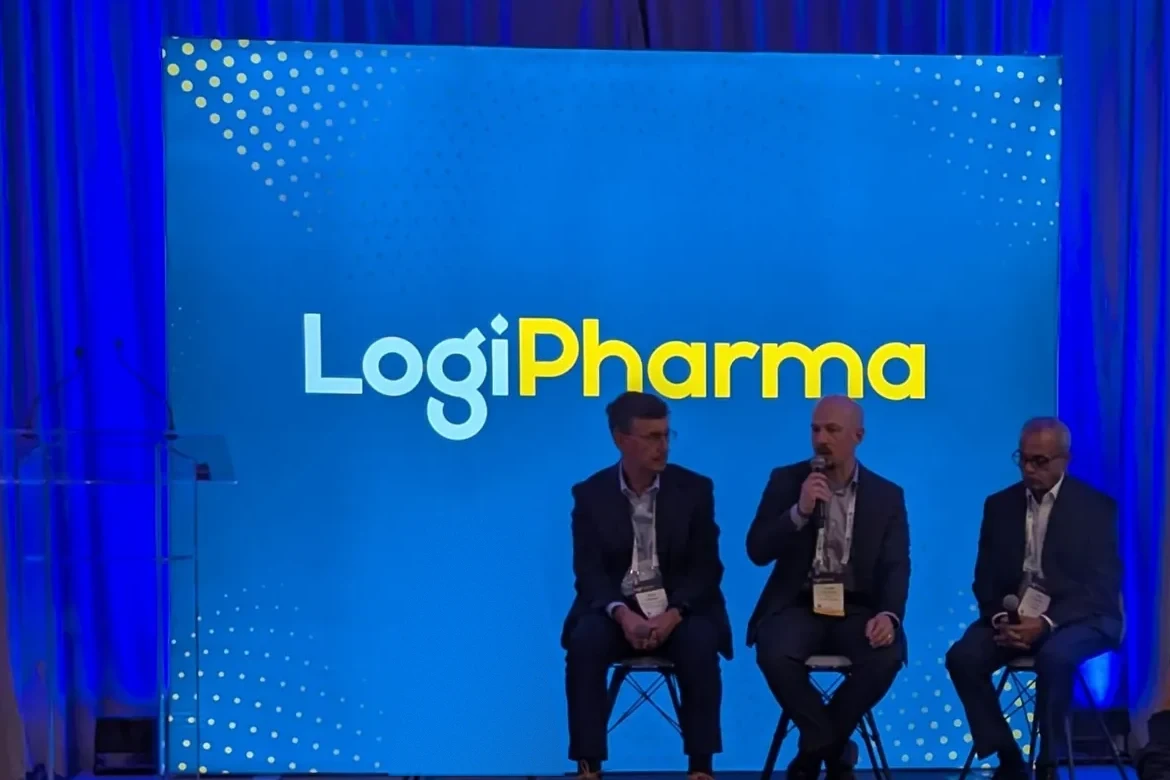
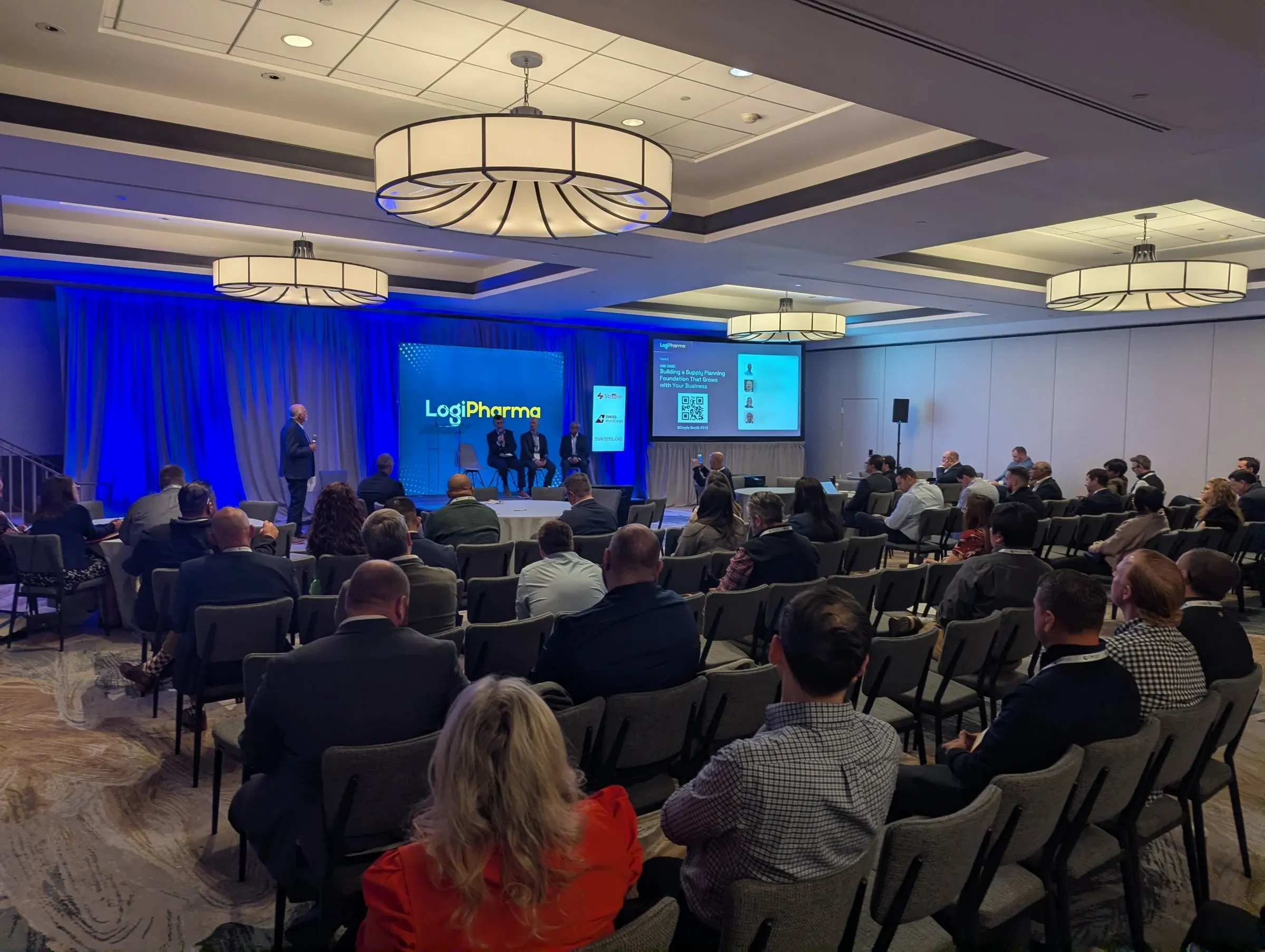
At LogiPharma 2026 in Boston, two supply chain leaders from a commercial-stage client joined SCmple co-founders Dilip Tavargeri and Peter Bigelow, who moderated the panel. Together they discussed how planning had to change as one commercial product expanded into additional indications and new markets, why the client’s team chose SCmple, and what the partnership delivered.
On the panel
 Paul SkerkerVice President of Supply ChainLinkedIn →
 James HoenstineAssociate Director of Supply PlanningLinkedIn →
 Dilip TavargeriCo-founder and President, SCmpleLinkedIn →
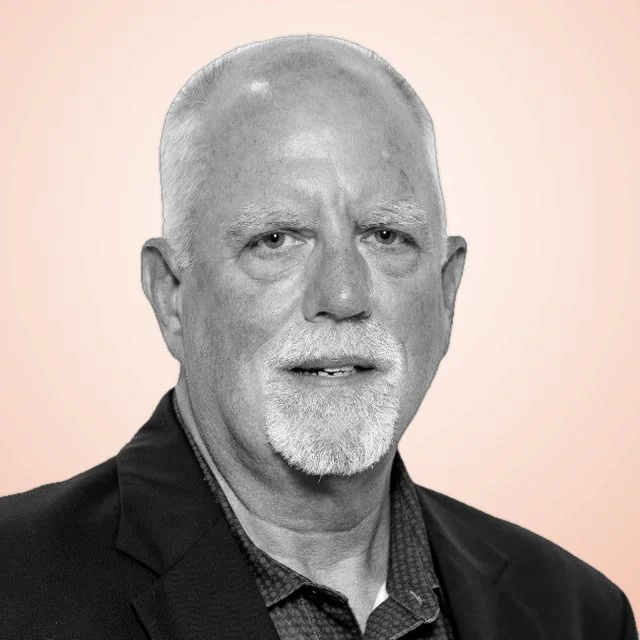 Peter BigelowCo-founder and CEO, SCmpleLinkedIn →
01Growth on several fronts at once
At first, the company’s commercial supply chain was fairly straightforward, with one product moving from API through drug product to finished goods for a single indication in the US. As the company grew, that picture changed on several fronts at once.
As we’ve grown, we moved from having one indication to three indications, which brought us up to five SKUs per market. We’ve also grown from being a U.S. product to being a global product, where we are marketed in many countries around the world.
The network expanded with the portfolio to two drug product manufacturers, two US packagers and two EU packagers. Growth also made it harder to rely on knowledge held by individual planners. James, the team’s key planner, had gathered and held details such as the expiry period approved in each country. A larger organization needed that knowledge in a system where everyone could reach it.
We needed to put in a more centralized system so that we could share and utilize that information more effectively.
02Requirements first, then a partner
Rather than starting with products, Paul, James and their colleagues started with the outcome they needed. Their requirements document separated must-haves from nice-to-haves, and every option was measured against it. The team looked first at the large planning suites.
We quickly identified that those tools are great, but from both a financial cost and a resource cost perspective, we were way too small a company to be able to support going forward with those solutions.
Next came the planning functions in ERP systems, including the ones the team already used. In Paul’s words, they “did not meet our needs and missed specific criteria that were specific to the pharmaceutical industry,” which was a must-have on the team’s requirements list. The search moved to newer providers, and because no option met every requirement, the decision came down to which provider would make the better partner.
None of the solutions met all of our needs. And so we really asked, who would be better to partner with? … We needed a solution for our specific supply chain and specific needs, and that’s what really led us to SCmple.
For Paul, SCmple stood out on fit with those requirements and on partnership, with real value in the platform and a team ready to develop the functionality the company needed.
03Bringing leadership along
Paul then brought the management team along the same path. “We talked about why we needed a solution, what the risks were with using Excel-based [tools], what the risks were if expertise like James or others decided to leave the business,” he said.
For a small company like ourselves, if we stocked out of drug at any given time, it wasn’t just impactful to the product; it was extremely impactful to the patients. It was really impactful to the business. A small company depends on that one product, so it’s a pretty easy sell to convince our leadership why we needed it. As we looked at the process and brought it through our rationale and thought process, they understood it. When we came to them with the final plan, they already had been on the journey.
04What the plan has to handle every day
James worked in the plan every day.
… we realized we’re outgrowing planning and spreadsheets, and that it all comes down to complexity. You can only add so many lines to those spreadsheets and so many details.
As a relatively small rare-disease company, it did not manufacture large volumes, so the team grouped orders at each supplier into campaigns rather than placing them batch by batch. Regulatory approvals and shelf life added the standard complications. As volumes rose, tracing where each batch would end up became harder as well.
Which batch of API is going to go into which product? Which finished good, and can that go to the market it needs to go to? And as everything grows and volume increases, it gets harder and harder to track that manually.
James then set out the capabilities his team needed from a planning platform.
Location-based planning
Inventory was held at the API manufacturer, the drug product manufacturer and the packager, and finished goods moved between an active and a passive warehouse.
How SCmple handles itSCmple Supply Planning plans inventory by site and moves it between locations along defined shipping lanes.
Campaign planning
Related orders at one supplier needed to be planned together instead of reassigned by hand.
How SCmple handles itSCmple plans production campaigns against supplier capacity, so related orders line up.
Shelf-life extensions in the plan
“If we have a shelf life extension, and we’re expecting material we can’t package today, but in two more months it will be viable, we need that to come back into the plan so that we’re not creating or getting a recommendation to make another batch now, and the material will be usable in a few months.”James Hoenstine, Associate Director of Supply Planning
How SCmple handles itOnce an extension is approved and entered for a lot, SCmple applies it in the lot-level plan, so that material counts before another batch is recommended. An expected extension can be tested as a scenario first, the approach set out in Shelf life as a planning constraint.
Batch-level visibility
“… I can combine two batches of API into one batch of drug product, but I’m certainly not going to combine two batches of drug products into one batch of finished goods. So to be able to have the tool to do that and have visibility to what’s going into that final output was critical to be able to trust that.”James Hoenstine, Associate Director of Supply Planning
How SCmple handles itSCmple applies the combination rules set for each level, so two API batches can go into one drug product batch while drug product batches stay separate in finished goods. Pegging then traces exactly what goes into each finished good.
05What-if questions without rebuilding the plan
Growth also brought a steady flow of questions from across the company about whether supply could support it, and what would happen if a batch was delayed or rejected. When each answer means updating the plan and replanning by hand, the work soon becomes unsustainable.
What if demand increases by 20 percent against the plan we have today? At what point do we start to not fill that demand? Then what’s the new plan going to look like to meet those requirements? So one question runs three versions of it.
Peter added that the trigger can be as simple as a batch going into investigation, and the team needing to know quickly what happens to supply if it is never released. In SCmple Scenario Planning, each scenario starts from the live plan without changing it, and any input can be adjusted. Several changes can be combined in a single scenario, and the results sit side by side with the base plan, so planners and leadership weigh the same options before committing.
06A partnership measured against the requirements
An audience member asked whether the team now had what it needed, given that no solution had met every requirement at the start, and James answered for the team.
They made substantial improvements. We were pestering them the whole time, but they consistently addressed everything as it came up. We’ve gotten everything checked off that we identified. There’s going to continue to be more as you go through one of these, no matter what. … Fantastic partnership with SCmple.
Peter then closed the panel by recognizing what the collaboration had meant on SCmple’s side.
They’ve held our feet to the fire. We’ve not had an easy way out here, but they’ve really helped make our system better.